The Future of Renewable Energy in Africa: Opportunities and Challenges
A Perspective from the Prime Frontier Executive Team
Africa's energy landscape is undergoing a major transformation. With a rapidly growing population, increasing industrialisation, and rising demand for electricity, the continent faces the challenge of balancing economic development with sustainability. Currently, Africa's energy mix remains heavily reliant on fossil fuels, particularly in regions where coal, oil, and natural gas are abundant. Countries like Nigeria, Angola, and Algeria continue to depend on hydrocarbons for economic growth and energy security, while South Africa still relies on coal for over 80% of its electricity generation.
However, as the global push for cleaner energy intensifies, Africa is embracing renewable energy solutions to complement its existing energy mix. Fossil fuels will still play a role in industrialisation and urban electrification, but solar, wind, hydropower, and geothermal energy are becoming increasingly vital in providing access to electricity, especially in rural and off-grid communities. The declining costs of renewable technologies, coupled with growing international investment, are creating unprecedented opportunities for Africa to develop a diversified and sustainable energy sector.
Despite these opportunities, Africa's transition to renewable energy is not without challenges. Limited infrastructure, financing constraints, and policy uncertainties remain significant barriers. However, with strategic planning, investment, and technological advancements, the continent has the potential to leapfrog outdated fossil fuel infrastructure and become a leader in green energy solutions.
The Current State of Energy in Africa
Africa's electricity demand is expected to double by 2040, driven by rapid urbanisation and industrial expansion. However, over 600 million people still lack access to reliable electricity, particularly in sub-Saharan Africa, where energy poverty remains a major development hurdle.
The continent is rich in diverse energy resources, which, if fully harnessed, could significantly reduce energy deficits and boost economic growth. Africa's energy sources include:
-
Fossil Fuels: Oil and gas remain major contributors to energy production, particularly in Nigeria, Angola, Algeria, and Egypt. South Africa continues to rely on coal, although efforts to transition are underway.
-
Hydropower: Africa has an estimated 350 GW of hydropower potential, yet only 11% has been exploited. Countries such as Ethiopia, the Democratic Republic of Congo, and Zambia have significant untapped hydro resources.
-
Solar Energy: The continent receives 40% of the world’s total solar radiation, with many regions experiencing over 2,100 kWh/m² of solar potential annually.
-
Wind Power: Coastal and highland regions, particularly in Kenya, Ethiopia, and South Africa, have world-class wind energy potential.
-
Geothermal Energy: The East African Rift Valley alone has 15,000 MW of untapped geothermal capacity, with Kenya leading in geothermal production.
-
Biomass & Bioenergy: Agricultural economies generate vast biomass that could be used for biofuels and energy production.
Despite this rich resource base, Africa faces major transmission and distribution bottlenecks. A significant portion of energy is lost due to ageing infrastructure, inefficiencies, and underinvestment in modern grids. To address these issues, a combination of renewable energy investments, grid expansion, and decentralised energy solutions is required.
Key Investment Opportunities in Africa's Renewable Energy Sector
-
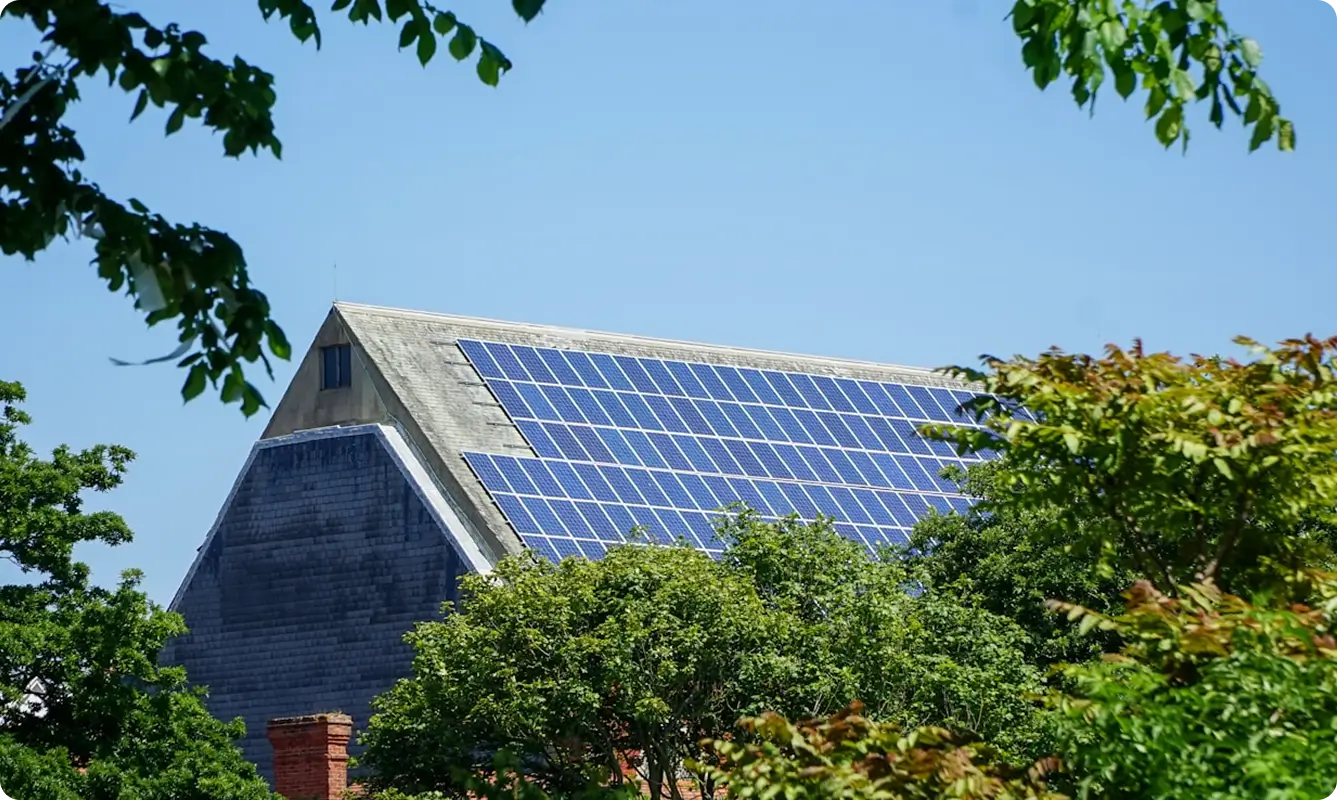
Solar Energy Development: Solar energy presents one of the most viable solutions for Africa's energy future. The declining cost of solar panels, combined with abundant sunlight, makes utility-scale solar farms, decentralised solar mini-grids, and home solar systems attractive options. Countries like Egypt (Benban Solar Park), Morocco (Noor Solar Complex), and South Africa (REIPPP Program) are pioneering large-scale solar installations.
-
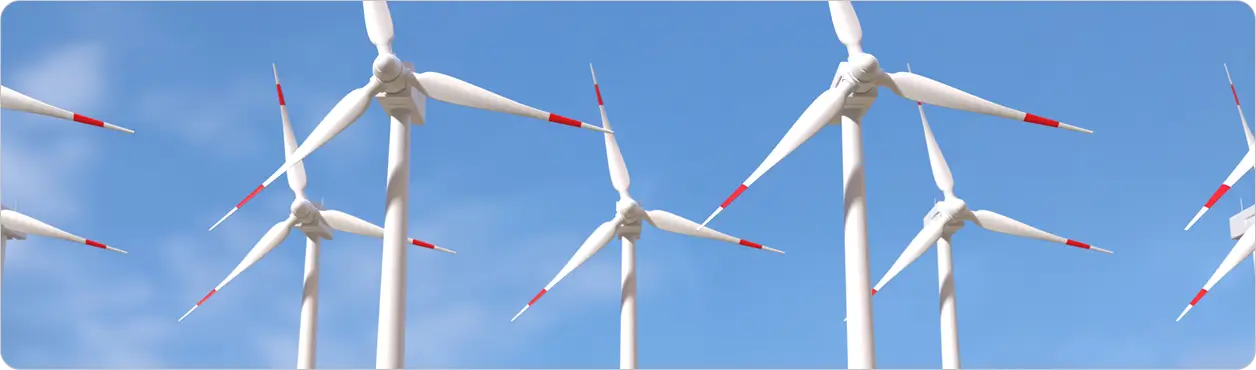
Wind Power Expansion: With excellent wind conditions along coastal and high-altitude regions, wind power is emerging as a key renewable energy source. Kenya's Lake Turkana Wind Farm, Africa's largest wind power project, is already supplying 17% of Kenya's electricity needs. South Africa, Morocco, and Ethiopia are also investing heavily in onshore and offshore wind farms.
-
Mini-Grids and Off-Grid Electrification: Decentralised energy solutions such as mini-grids and stand-alone solar systems are crucial for expanding electricity access in rural areas. Governments, in partnership with the World Bank, IFC, and African Development Bank (AfDB), are rolling out financing initiatives to scale mini-grid deployment. Nigeria, Tanzania, and Zambia are leading the way, leveraging public-private partnerships (PPPs) to expand off-grid energy solutions.
-
Energy Storage and Grid Integration: As Africa ramps up its renewable energy capacity, investment in battery storage technologies is becoming increasingly important. Countries like South Africa and Nigeria are implementing Battery Energy Storage Systems (BESS) to store excess solar and wind power, ensuring a stable electricity supply. The declining cost of lithium-ion batteries is making energy storage a viable solution for improving grid reliability and supporting off-grid solar systems.
-
Green Hydrogen and Emerging Technologies: Africa has the potential to lead in green hydrogen production, leveraging its vast renewable resources. Namibia, South Africa, and Mauritania are already exploring green hydrogen projects, aiming to supply domestic and international markets.

Challenges Hindering Renewable Energy Development
While the opportunities for renewable energy in Africa are immense, several barriers must be addressed to scale deployment.
-
Infrastructure Limitations: Aging and inadequate transmission networks hinder large-scale renewable energy integration.
-
Financial Barriers: High upfront investment costs require innovative financing solutions such as green bonds, climate funds, and blended finance mechanisms.
-
Regulatory Uncertainty: Policy inconsistency and bureaucratic delays discourage private sector investment.
-
Skills Gaps: A shortage of skilled professionals in renewable energy technology, engineering, and project management remains a significant challenge.
The Path Forward: Unlocking Africa's Renewable Energy Potential
To accelerate Africa's renewable energy transition, key interventions are necessary.
-
Innovative Financing Solutions: Mobilising climate finance, concessional loans, and green bonds to fund renewable projects.
-
Workforce Development: Expanding technical training programs to equip local professionals with skills in solar, wind, and energy storage technologies.
-
Regulatory Reform: Streamlining approval processes and creating transparent energy policies to attract investment.
-
Technology and Digital Innovation: Adopting smart grids, AI-driven energy management, and hybrid energy solutions to optimise efficiency.
Africa's renewable energy sector holds immense promise, but achieving success requires investment, collaboration, and innovation. With the right policies and strategic partnerships, Africa can unlock a sustainable energy future that balances economic growth, energy security, and environmental sustainability.
- Contact Prime Frontier to explore renewable energy opportunities in Africa today.